
We Endorsed the Melbourne Declaration. The Diagnosis Is Honest.
Last week, we were in Narrm for Women Deliver 2026: Four days, almost 6,000 participants from 189 countries, and conversations we're still thinking about. The work of gender equality cannot wait, and being there made that clearer than ever.
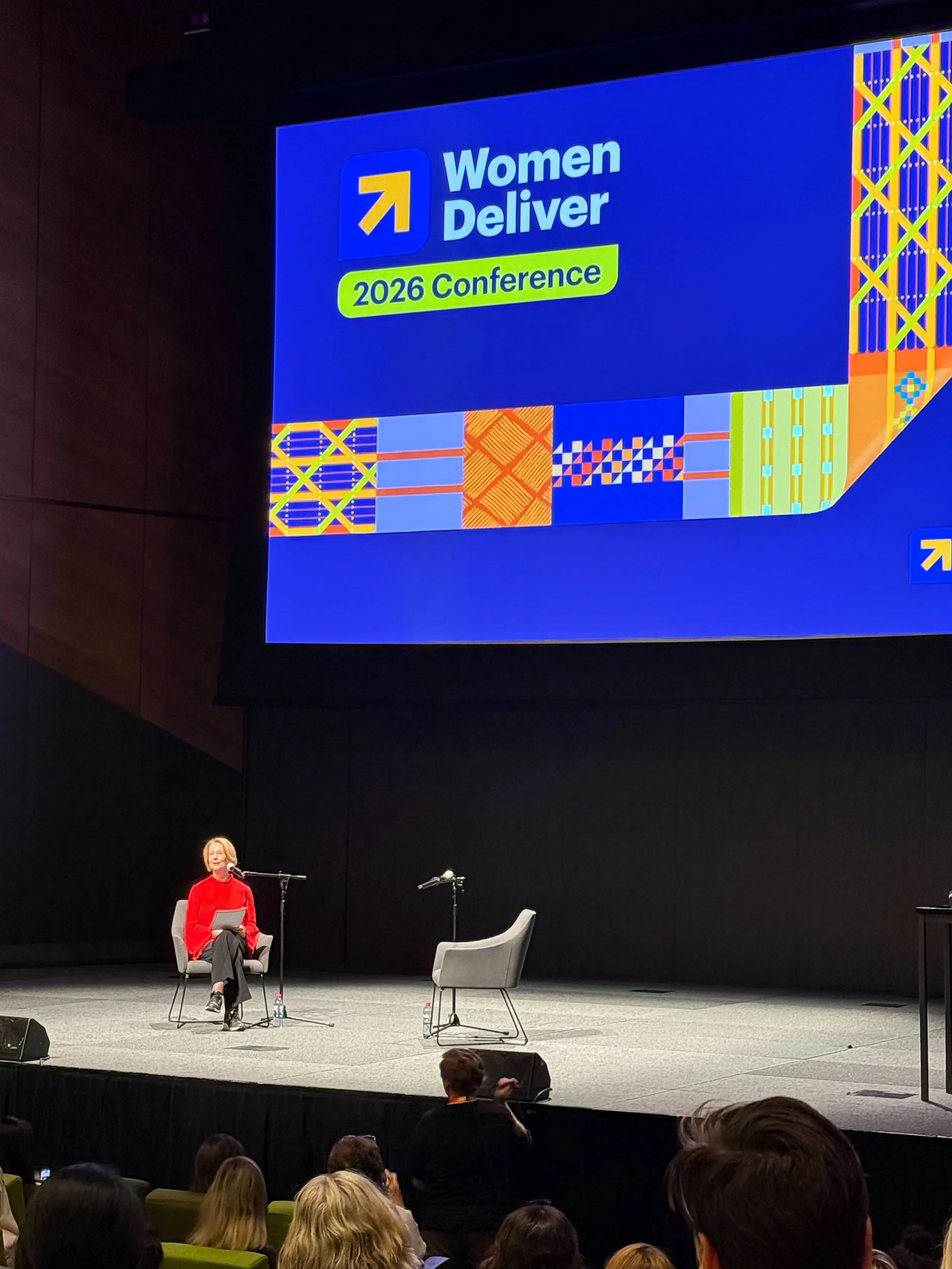
Heads of state, current and former prime ministers, the Deputy Secretary General of the UN. Global Indigenous leaders, survivors, researchers, frontline workers, and advocates who have spent their lives inside this struggle. All in the same room working through critical challenges in the fight for fundamental human rights. It was moving, energising, challenging, and inspiring.
Women Deliver doesn't just inform your thinking. It sharpens it. Being surrounded by that many people who share a sense of urgency, and who are willing to push back, challenge assumptions, and demand better, cannot be replicated on a video call. We came home with new relationships, clearer ideas, and more conviction than ever that Todaybreak does work that matters.
We endorsed the Melbourne Declaration
While we were there, Todaybreak endorsed the Melbourne Declaration. Here’s why.
The Declaration is direct about what needs to change. Accountability directed to funders instead of people. INGOs that substitute for the state instead of holding it to account. Frameworks that exist but don't function for the majority of women, girls, and gender-diverse people facing intersecting inequalities.
That diagnosis is honest. And it's exactly what our work addresses.
We build the infrastructure that lets coordinated, survivor-centred response function across agencies - the operating models, shared standards, and purpose-built tools that turn commitments into consistent practice. That's not separate from the accountability and rights work the Declaration calls for. The Declaration calls for systems that centre the people most affected by injustice. Infrastructure is what makes that possible in practice, not just in principle.
How this looks with Todaybreak
A key difference between a framework that looks good on paper and a service system that actually works for every person who walks through the door is infrastructure. Here is what that looks like.
Through the Safe with Milli Program, delivered across more than 40 organisations in Australia and Canada, we've seen what changes when the infrastructure is right. Consent stays with the survivor across agencies. Coordination happens because the systems support it, not because individual workers are heroically filling the gaps. Reporting that took days takes minutes, freeing people up to focus on the work that actually matters.
The CLEAR Project in Western Australia is building that same foundation across thirty state-funded family and domestic violence services right now, reducing administrative burden, strengthening coordination, and demonstrating that this model scales.
The Melbourne Declaration gave language to something we experience every day in that work. The gap isn't knowledge or commitment. It's infrastructure. And infrastructure is buildable.
What we're taking forward
Women Deliver was a reminder of how much momentum exists in this sector when people are in the same room. The conversations we had with funders, with peer organisations, and with people doing this work in very different contexts from our own gave us new energy and sharper thinking to bring back to the work.
We came home more convinced than ever that the infrastructure question is having a moment. It's increasingly recognised not as a niche operational concern, but as the missing piece the sector has been circling for a long time. The Melbourne Declaration says it clearly. Now comes the work of delivering it. We're looking for the funders, partners, and peer organisations who want to build that together.
If you haven't yet, we encourage you to read the Declaration and add your endorsement.