The Kenora District sits in Northwestern Ontario, Canada, on the Manitoba border, in Treaty 3 territory. It covers more than a third of Ontario's landmass. Across that distance, geography is not just a logistical challenge, it is a significant barrier between survivors of gender-based violence (GBV) and the support they need. The district is home to rural and remote communities where essential services, such as hospitals, shelters and support agencies, may be hours away. GBV takes many forms: family violence, domestic violence, sexual violence, human trafficking. For people experiencing any of these, distance can make accessing timely help difficult, increasing isolation and vulnerability.
For years, dedicated organisations have been doing everything they can across that distance, with limited resources and systems that weren't built to connect.
This started to change last month.
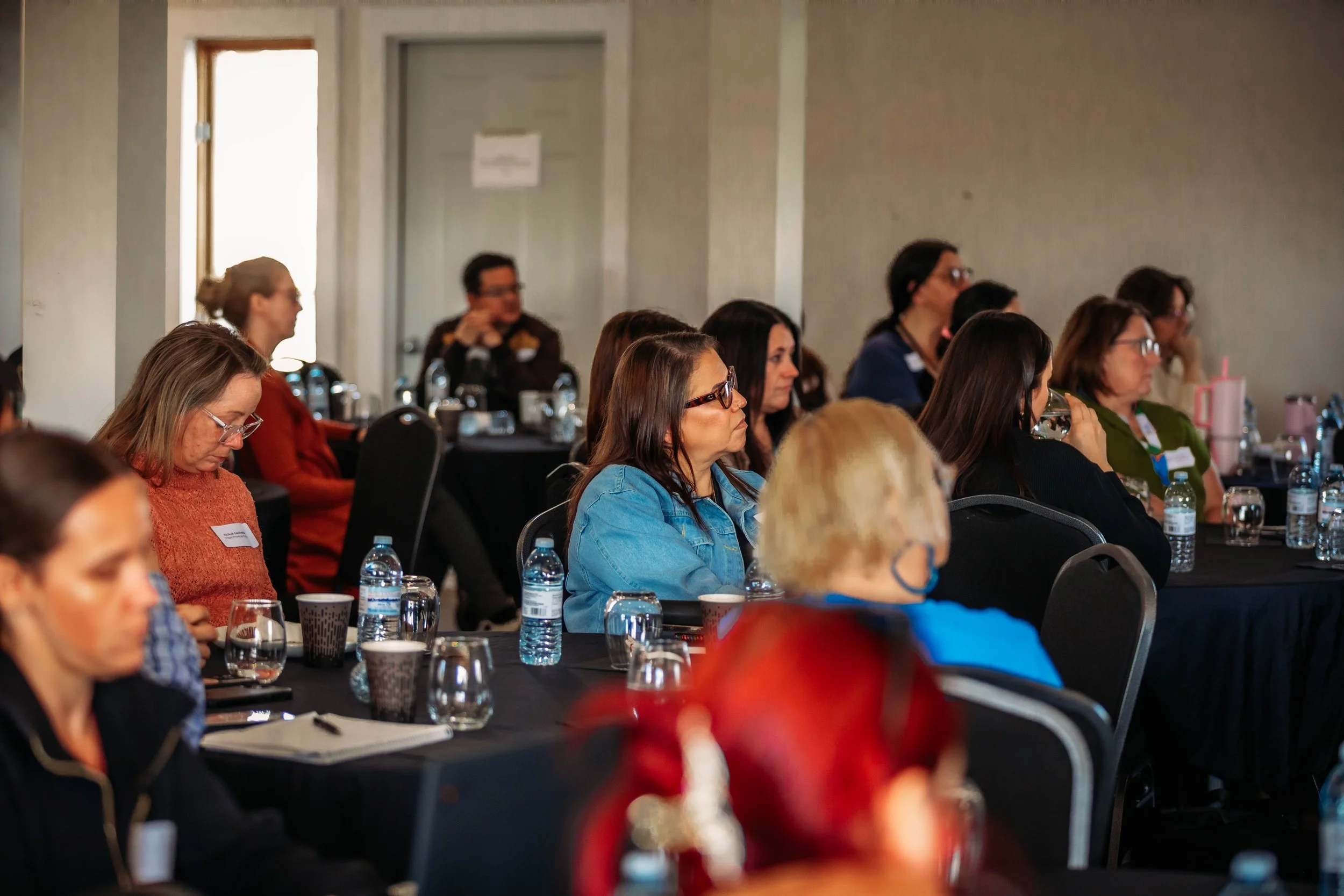
On May 20, Todaybreak launched the Safe with Milli Program Kenora Regional Hub. Frontline services, police, health organisations, and government agencies came together from across the district around a shared commitment: better coordination, better information sharing, and more consistent support for survivors of violence in the region.
This is what that day looked like, and why it matters for the region.
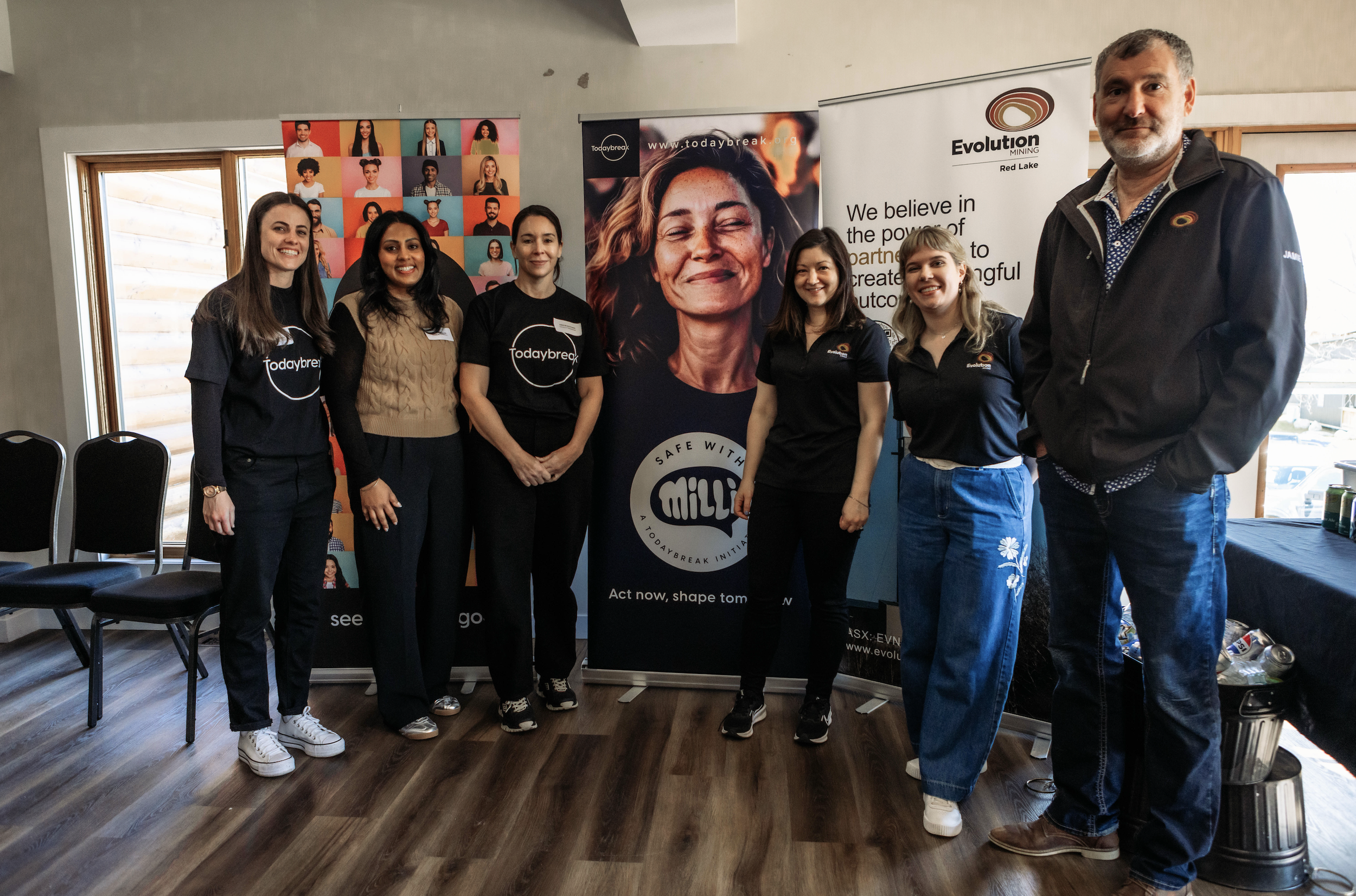
From left to right: Ashton Hill, Senior Product Designer, Genvis; Brenda Dhillon, Country Manager, Genvis & Safe with Milli Program Lead in Canada; Kirstin Butcher, Founder and co-CEO of Todaybreak; Stacey Fleming, Advisor Social Responsibility, Evolution Mining; Alessia Poles, Evolution Mining; Jamie Saulnier, Superintendent Social Responsibility, Evolution Mining.
The problem has never been a lack of will
For decades, government reports, inquiries, and death review committees examining fatalities connected to domestic and family violence specifically have produced the same recommendations: agencies need to coordinate better, share information more effectively, and stop operating in silos. The recommendations have not changed. What has been missing is the mechanism to act on them.
The challenge facing frontline organisations has never been a lack of dedication. It's been the absence of a secure, practical way to share information across agencies in real time, while each continues to operate within its own mandate. The Safe with Milli Program exists to fill that gap.
Local leadership made it possible
When the Safe with Milli pilot came to Canada in 2024, we reached out to more than 450 organisations. Victim Services of Kenora & Area were among the first to respond, and they didn't just say yes to participating, they said yes to leading.
That means identifying potential Hub participants, advocating the approach to organisations who hadn't heard of it, and asking peers to consider working differently at a time when every team in this sector is already stretched thin. We are grateful they chose to lead.
That kind of leadership doesn't happen everywhere. It is how this work spreads.
Innovation comes from the frontline
One of the clearest themes of the day was this: real innovation in this space comes directly from frontline services. The people closest to survivors are the ones who know what is needed.
The Safe with Milli Program isn't just built to connect those organisations. It is built with them. When the program came to Canada, roughly 450 organisations were invited to help co-design the system from the ground up. Frontline organisations have a seat at the table in how the tools they use are shaped, so the technology reflects the reality of the work, and the right support reaches survivors when it matters most, even across a district of this size.
Meeting survivors where they are
There's a perspective that surfaces in parts of this sector: that tech is so risky for survivors that workers and survivors alike should be advised against using it. The intent behind the position is protective. But the conclusion is that survivors, who already face the most controlling and isolating conditions in their lives, should be told that the part of everyday modern life everyone else takes for granted, a phone, isn't for them.
That view didn't surface anywhere at the Kenora Hub launch. Not from frontline workers. Not from police. Not from community organisations. Not from people with lived experience in the room.
The clearest message was the opposite: this work has to meet survivors where they actually are. And that's on their phones. Milli is a free, secure, purpose-built app that survivors control. It is one of the very few ways to do that effectively across a district as geographically vast as Kenora's.
Taking tech away from survivors doesn't make survivors safer. It just means they don't have it. Perpetrators continue to use tech against them.
The right answer cuts two ways. Put tech in survivors' hands that's built for them, with safety, privacy, and survivor control as design priorities, not afterthoughts. And use tech to fight back against the people using it as a weapon. You don't win the fight against technology-facilitated abuse by abandoning technology.
The technology behind the Hub
At the centre of the Hub are two tools built by Genvis, Todaybreak's primary technology partner.
Cudo is a secure case management platform that gives organisations shared infrastructure to coordinate across services, share information in real time, and support survivors without that support being siloed across separate systems.
Milli is a personal safety app available directly to individuals experiencing harm. It allows users to securely communicate with support workers, document evidence, store important information, check for technology-enabled abuse and send distress alerts to trusted contacts.
Importantly, the technology is not designed only for people already in crisis. It is built for prevention, awareness, and early intervention, including for people who may not yet recognise that what they are experiencing is domestic, family, or intimate partner violence.
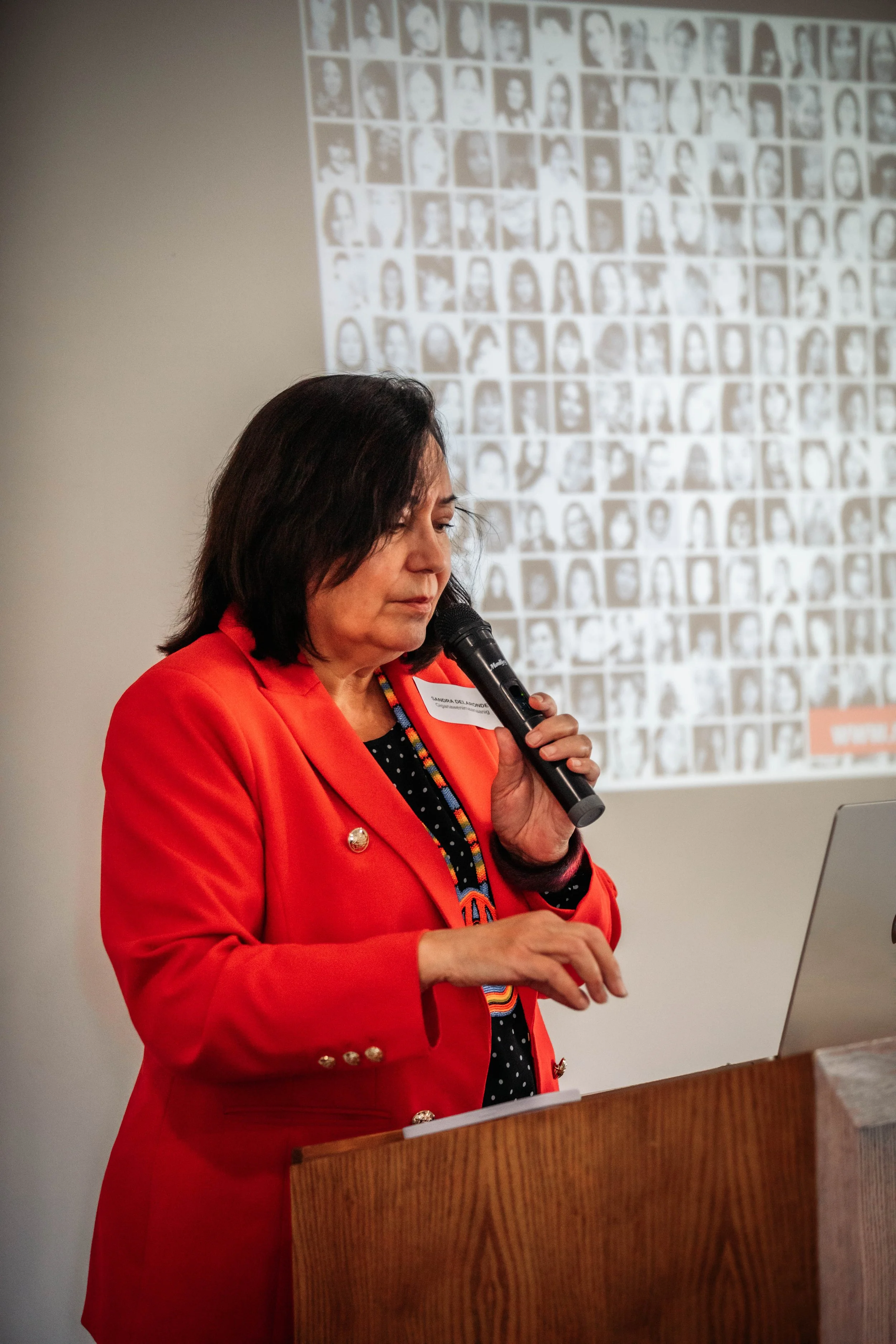
Sandra DeLaronde, Executive Director of Giganawenimaanaanig and project lead for Manitoba's Red Dress Alert System.
An Indigenous-led perspective on what safety infrastructure requires
Sandra DeLaronde, Executive Director of Giganawenimaanaanig and project lead for Manitoba's Red Dress Alert System, keynoted the day. The Red Dress Alert is an Indigenous-led public alert system being built in direct response to the national crisis of missing and murdered Indigenous women and girls, with a pilot launching later this year in Manitoba. It is built on the same coordination infrastructure that powers the Safe with Milli Program.
The crisis of missing and murdered Indigenous women and girls is fundamentally gendered. Sandra's keynote grounded the entire day in what survivor-centred, Indigenous-led safety infrastructure actually requires, and what it takes to build systems that communities can trust. From imagining new ways of working to securing hard-won support across federal, provincial and local governments, her insights highlighted both the complexity of the challenge and the persistence required to create lasting impact.
What the day made clear
The energy on the day made one thing clear: the Kenora District is ready for a better coordinated, more connected response to GBV.
The turnout was strong, the discussions were genuine, and organisations drove hours to be in the room.
Thank you to Victim Services of Kenora & Area for leading the way. Thank you to Sandra DeLaronde for grounding the day in what this work truly requires. Thank you to Evolution Mining for backing it with a three-year funding commitment. Thank you to our other panelists Nicki Zilkalns from Kenora District Services Board and Jody Smith from Treaty Three Police Service for the depth and candor they brought to the conversation. Thank you to Kirstin Butcher, Todaybreak's Co-CEO, and Ashton Hill from Genvis who flew in from Australia to be there in person. And thank you to every community organisation, service provider, and police service that showed up.
This is just the beginning. We'll be sharing updates and milestones over the coming months.
Read more about the launch in the Kenora Miner & News: https://www.kenoraminerandnews.com/news/local-news/new-kenora-hub-brings-agencies-together-to-respond-to-gender-based-violence/article_cd56ce2a-f3b8-4f7d-955d-27b43d431a45.html
If your organisation works in the GBV space in the Kenora District and wants to get involved in the Hub, or simply wants to learn more about the Safe with Milli Program, reach out to us at hello@todaybreak.org